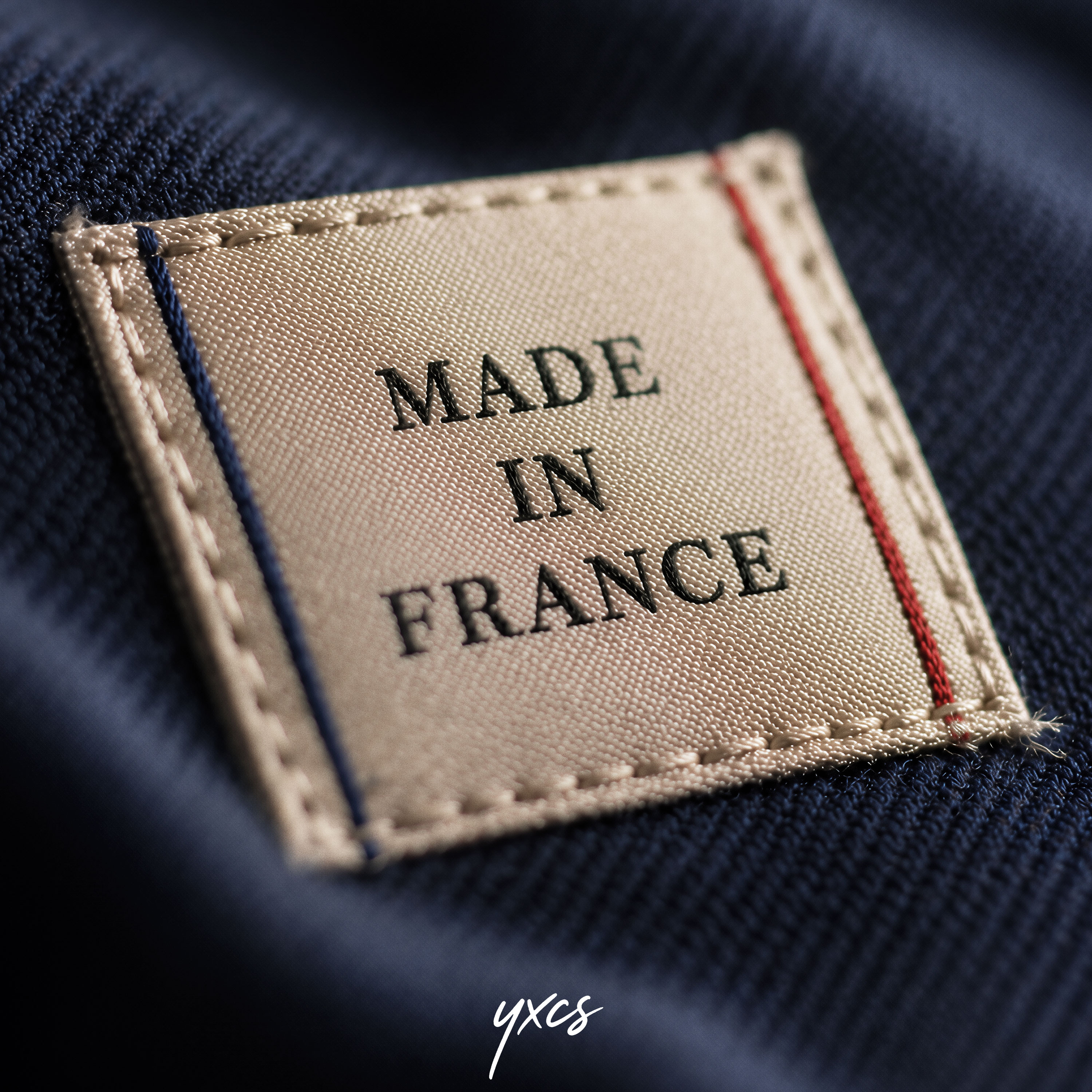
Made In France is an album carried by a tender, lucid nostalgia for an older France — windows thrown open, bicycles in the courtyards, cafés full of conversation, where people shared more than they owned. Across fifteen tracks weaving chanson, elegant electronics and French soul, the album asks what we're leaving to our children, what digital storefronts erase from our faces, and what freedom still means in our luxury angers. Between the love that fades without a sound, the sky in our pockets, and the distant echo of a man with no face, Made In France searches — without mourning it — for the living heart of a country that wanted to leave behind something better than itself.
The breath that opens the windows. Bicycles in the courtyards, the song still being sung — the freedom we forgot, and the one we still have to defend with our hands.
We say "freedom" the way we say hello, without looking around. We cry injustice over a door that closes, while elsewhere, for a single word, you can lose your skin by nightfall. Liberté is a direct, frontal track that confronts our luxury angers and reminds us that a right isn't a piece of furniture: it's a fragile fire we have to protect, bodies fallen so that we can speak.
Victoire Cazal
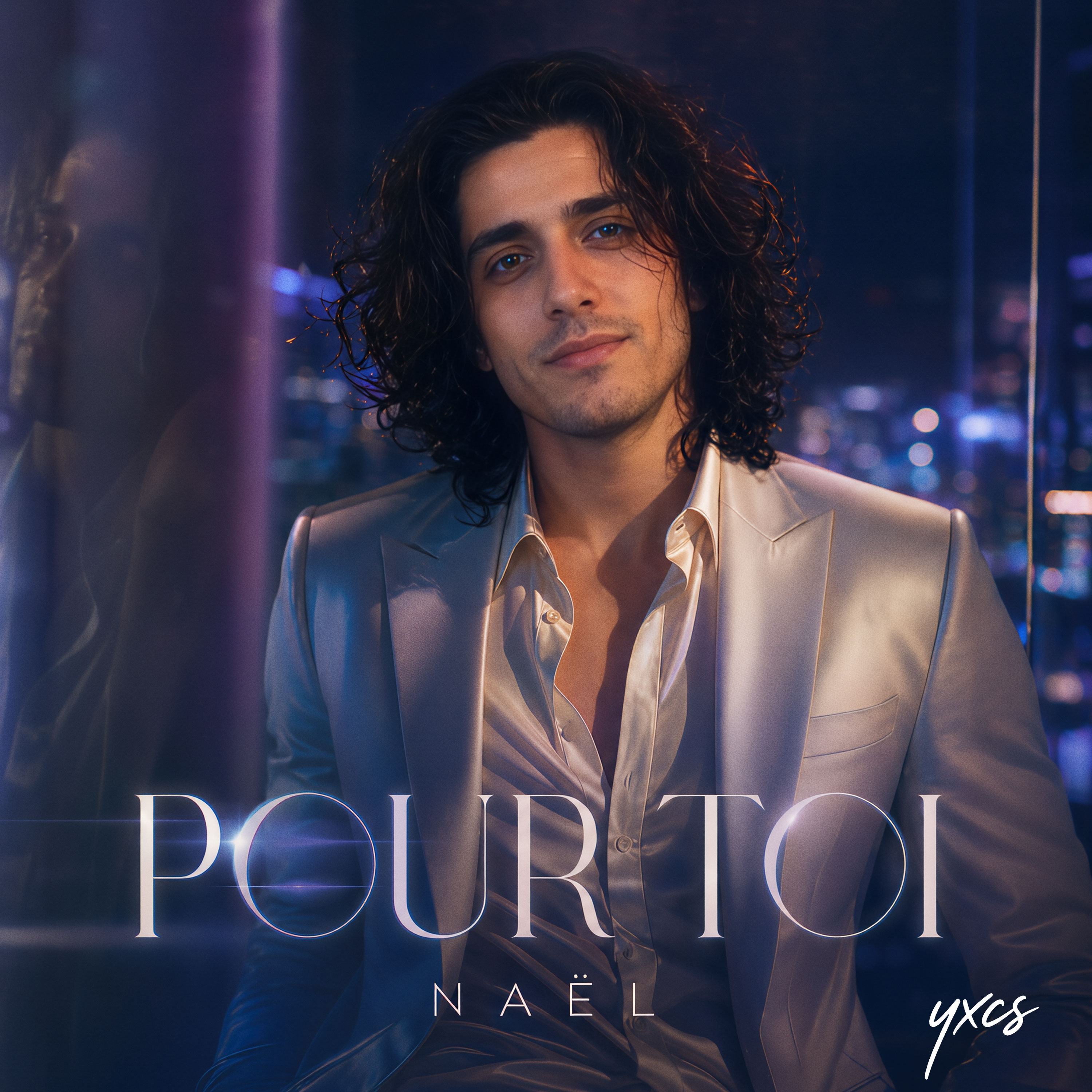
A nocturnal groove, a city slowing down, a glance that changes everything. After the passing faces and the quickly-consumed stories, someone arrives with another kind of light — one that stays, that breathes, that shifts what was locked away. Pour toi is an electronic, elegant love song about the vertigo of falling for real, and the softness of finally stopping to run.
Naël
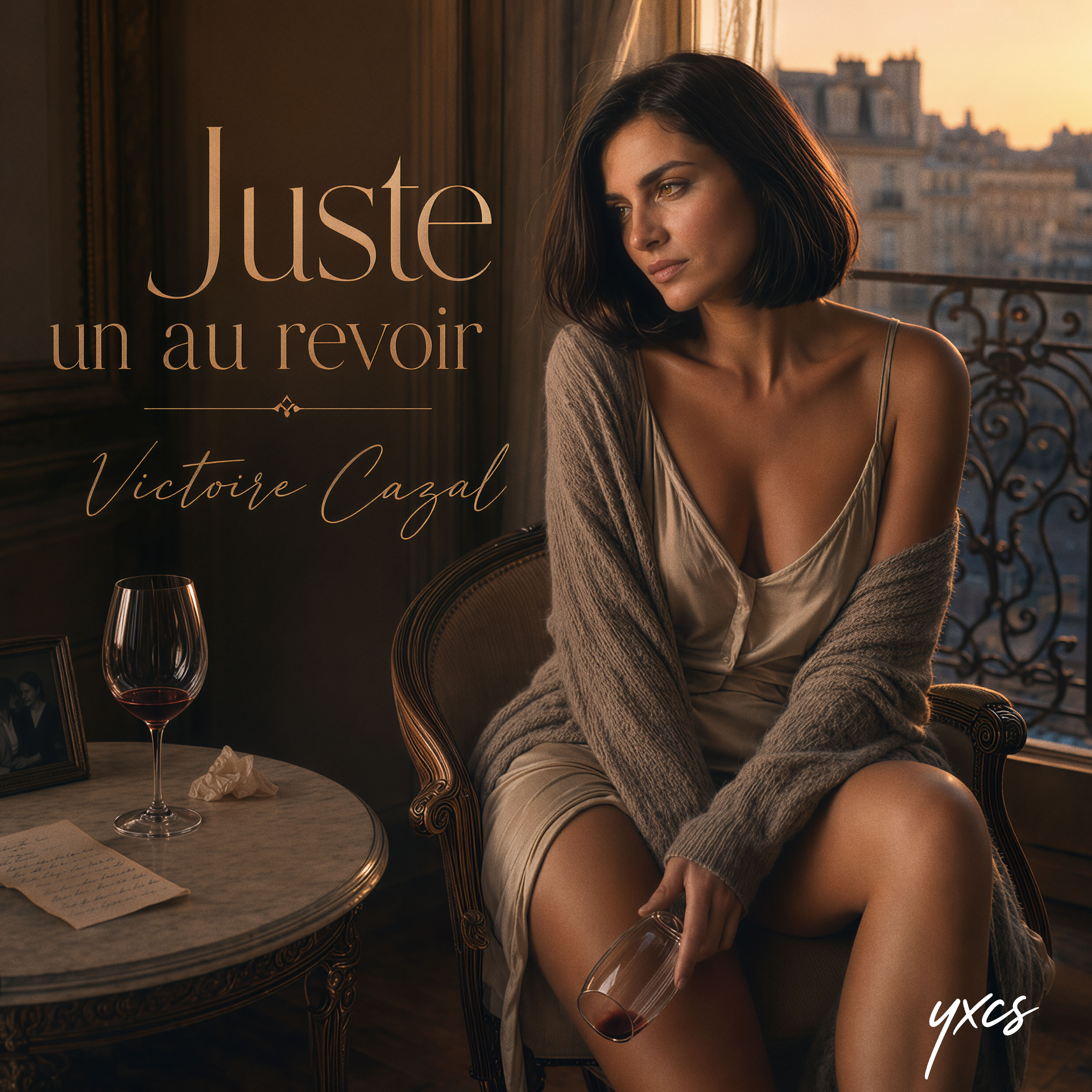
Two glasses left on a table, a silence that takes up more room than the words, and the almost-gentle calm of a love going out. No shouts, no blame — only tall doors closing inside the heart. Juste un au revoir is a song about the breakups that don't need noise to wound: a single word, and everything trembles within.
Victoire Cazal
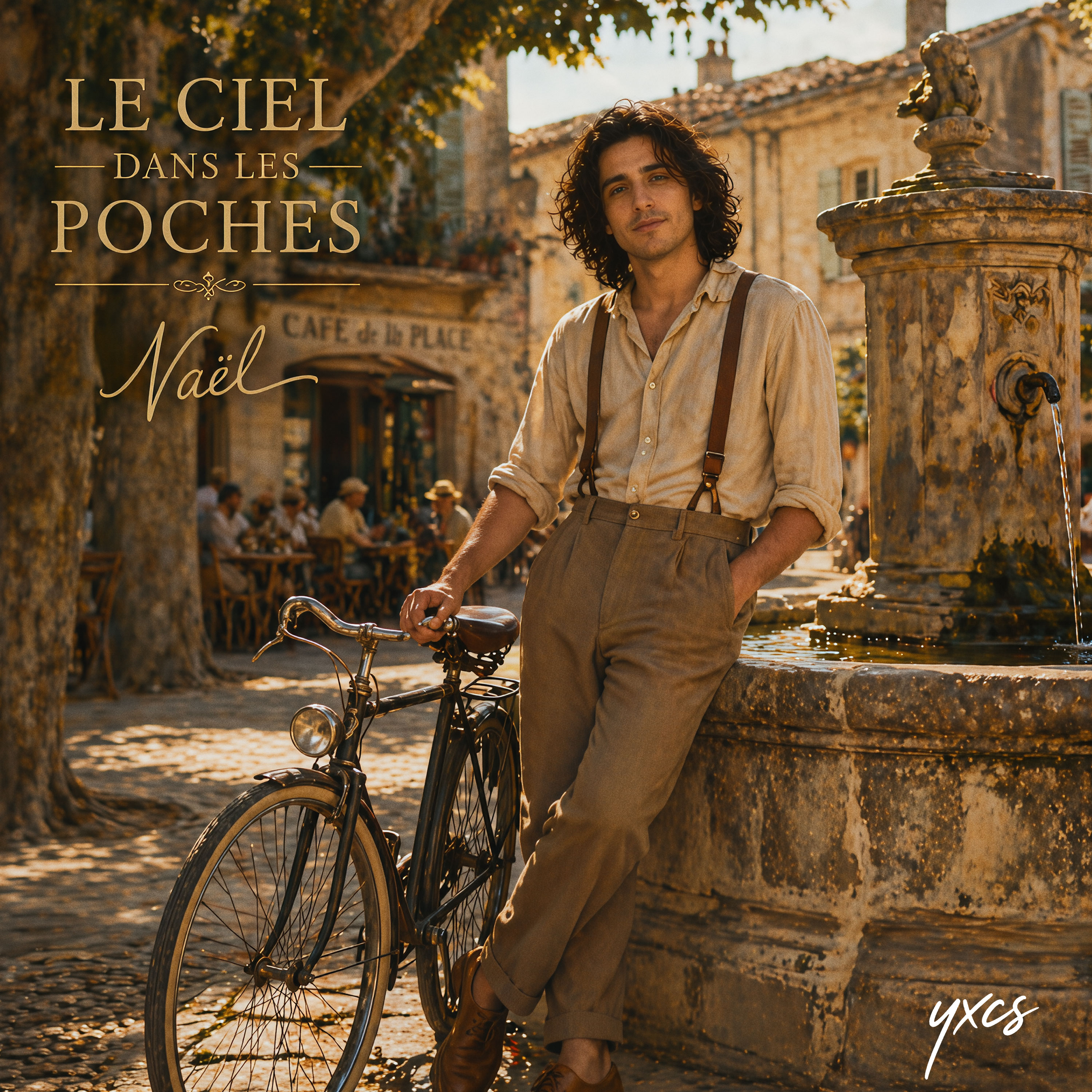
An older France still breathes here — laundry at the windows, bicycles in the courtyards, cafés full of conversation. People built more than houses, they built summers; they didn't talk about success, they just wanted to stand straight and leave behind something better. Le ciel dans les poches tells of a time when there was less gold and more sky, when we lived less on what we take than on what we give along the way.
Naël
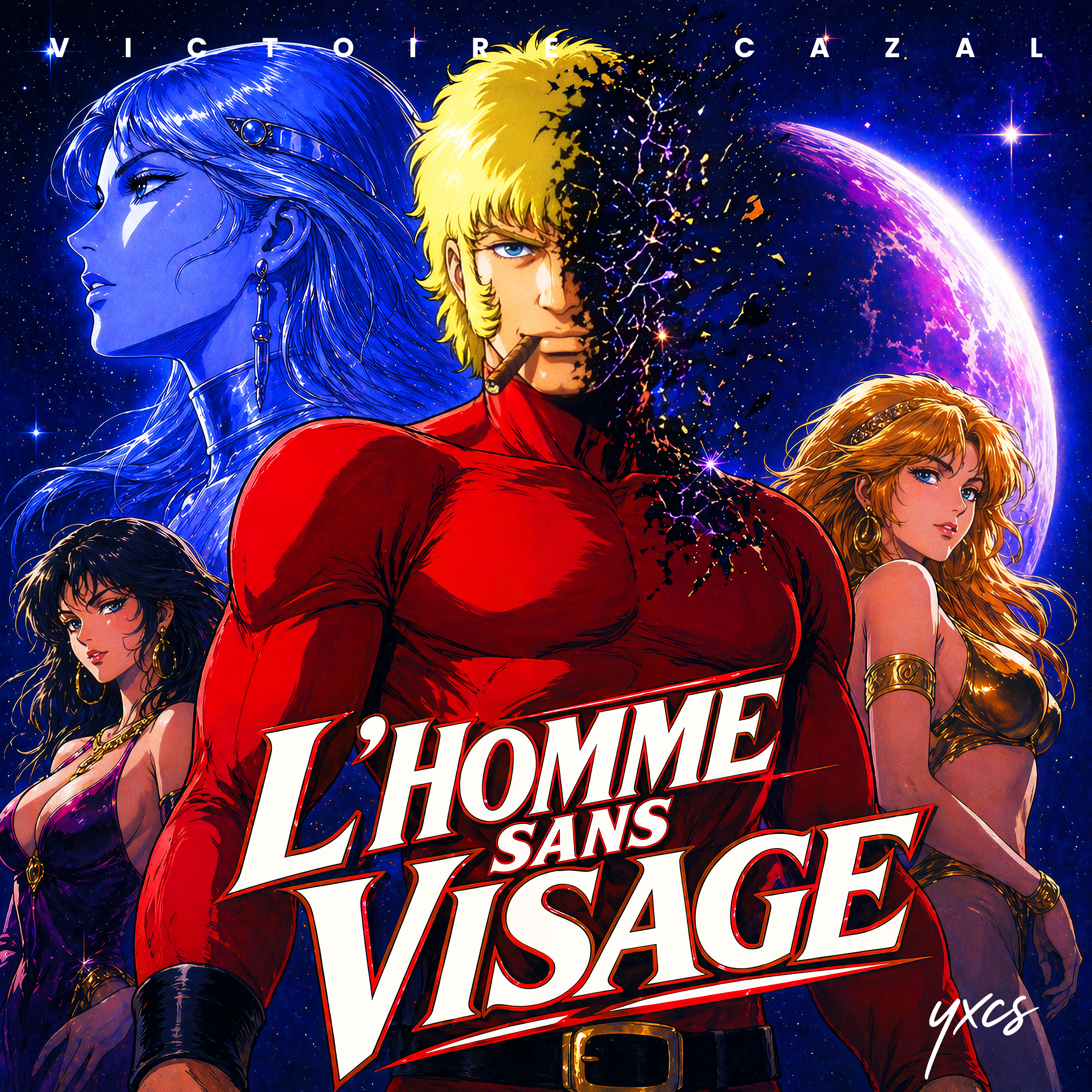
In the dark of the galaxies, a man had fled from his name, beneath a borrowed face. But under a stranger's skin, someone was still dreaming of a fate everyone thought was broken. L'homme sans visage is a cinematic tribute to the heroes of our childhood: brass, strings and modern grooves for a space epic where fear changes sides and the sky opens before him.
Victoire Cazal
Before the titles, before the crowns — a man is worth a man. What keeps a country standing, and what we still owe the ones who come after us.
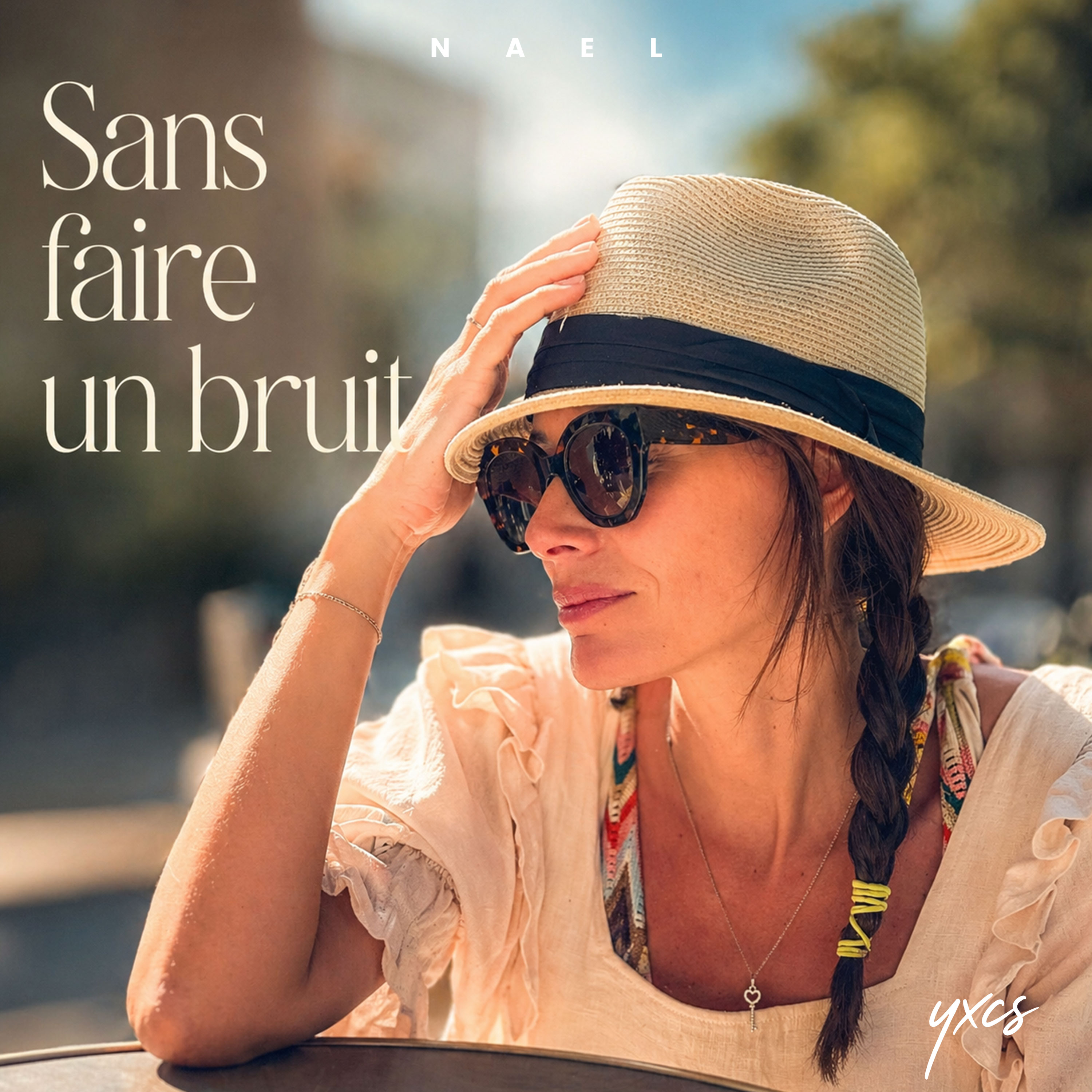
Laurène carries the others the way you cross through winter — without a sound, without light. She takes the names, the falls, the fevers, the faults, and stands like a country that would collapse if she stopped loving. Sans faire un bruit is a tribute to those who carry the world, and to the question we never dare ask them: who lifts you up, when the night comes back?
Naël
There are nights when the ground falls away and the more you fall, the less you fear. A piano motif and wide pads slowly open into a horizon-sized chorus where loss becomes lightness, the void becomes sweetness, and the fall is already a kind of leaving. Apesanteur is a song about letting go — discovering that emptiness can teach you to hold on, that silence can feel like altitude, and that drifting from the noise can be its own quiet form of grace.
Victoire Cazal
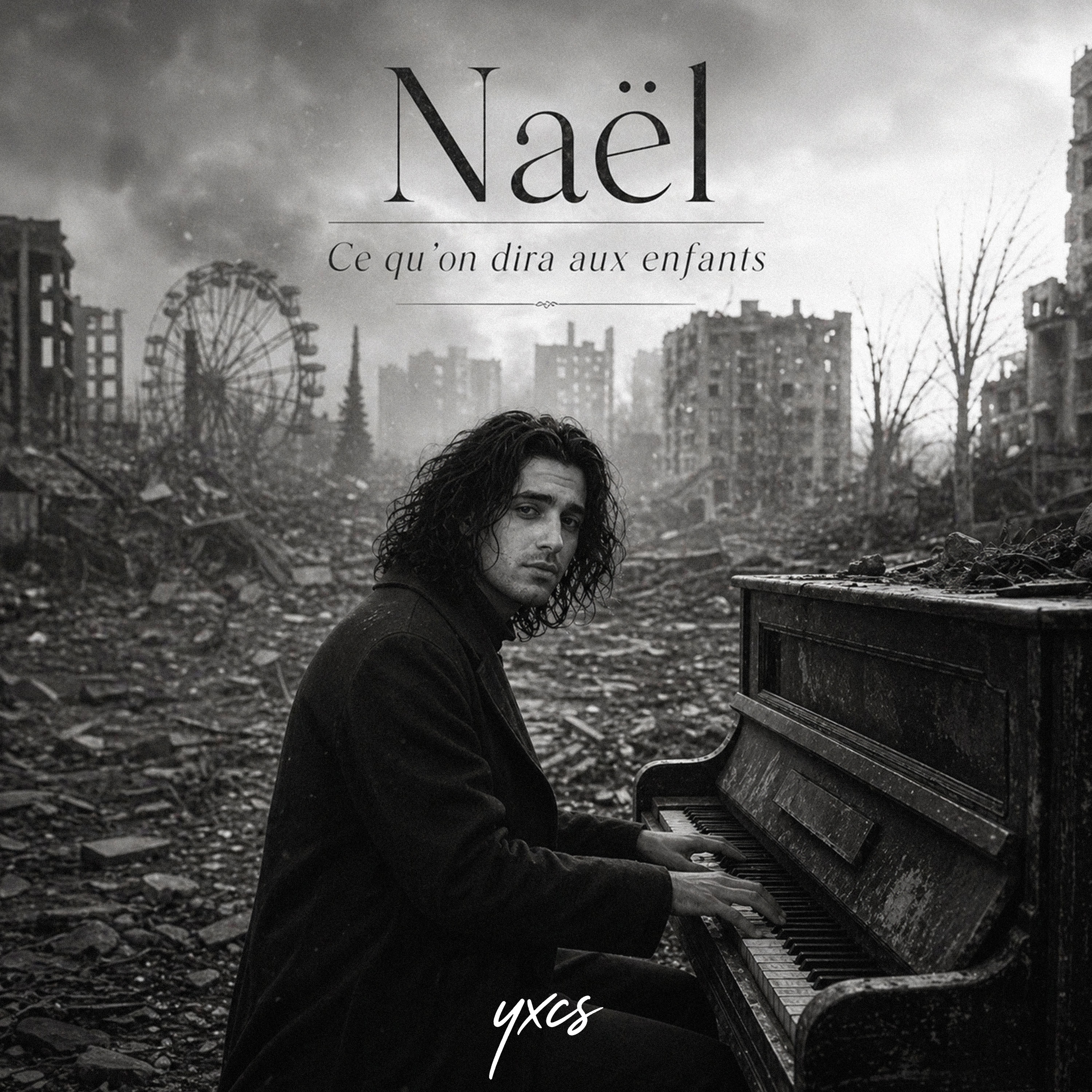
There will come a day when they'll ask us. Why the world ran instead of defending itself; why everything felt rushed, even the days of September. Ce qu'on dira aux enfants is a song of transmission — tender and grave at once — about the silences we leave behind, and what we can still save: a little love, a little light, a world a little better than us.
Naël
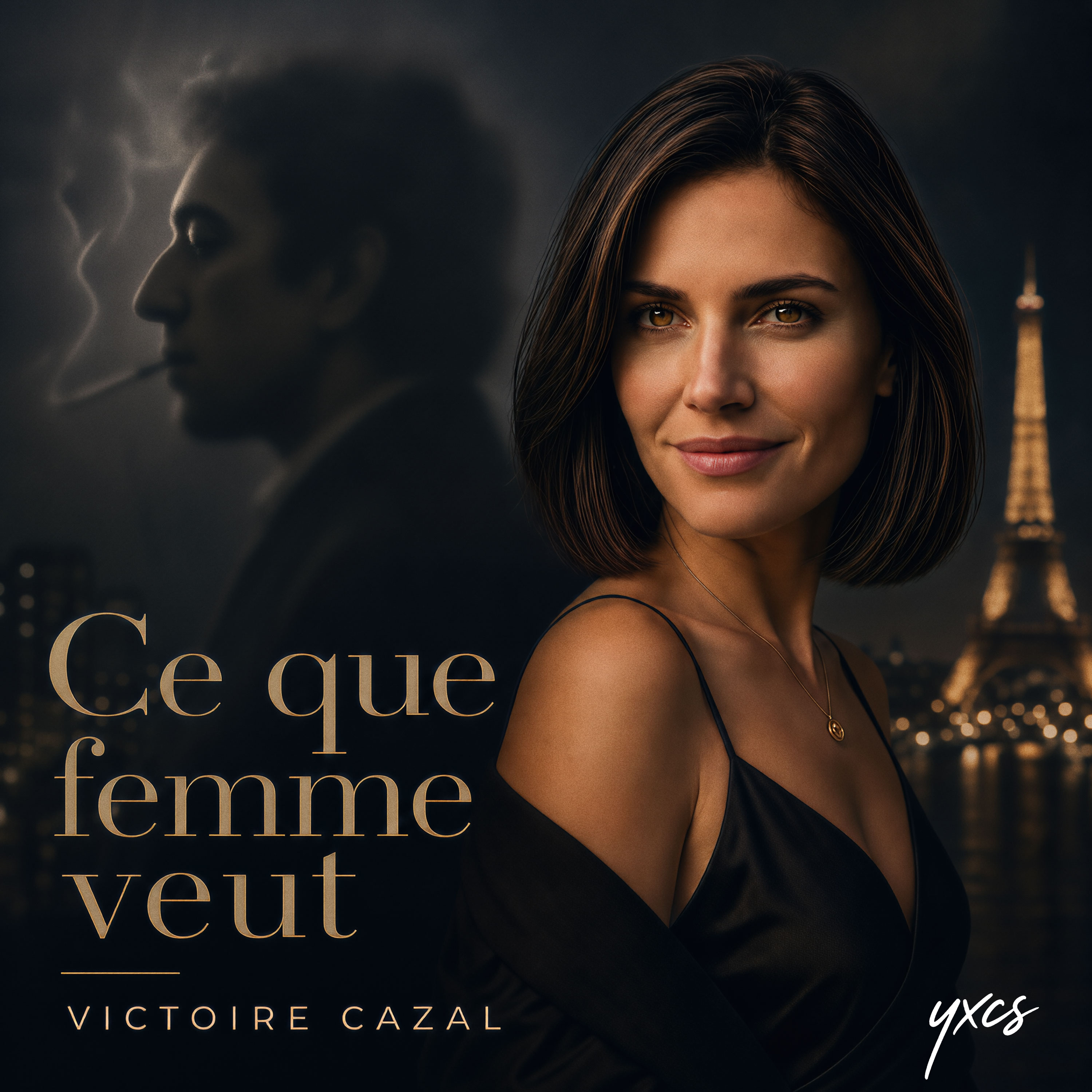
Not the moon. Not to burn the gods. Just a key in her hand, a morning that breathes, the right to say "tomorrow" and the right to leave. Ce que femme veut is a sensual, sharp song carried by tremolo guitar, walking bass and cinematic strings — a quiet, unshakable manifesto about choosing one's own light. Underneath the elegance, there are teeth.
Victoire Cazal
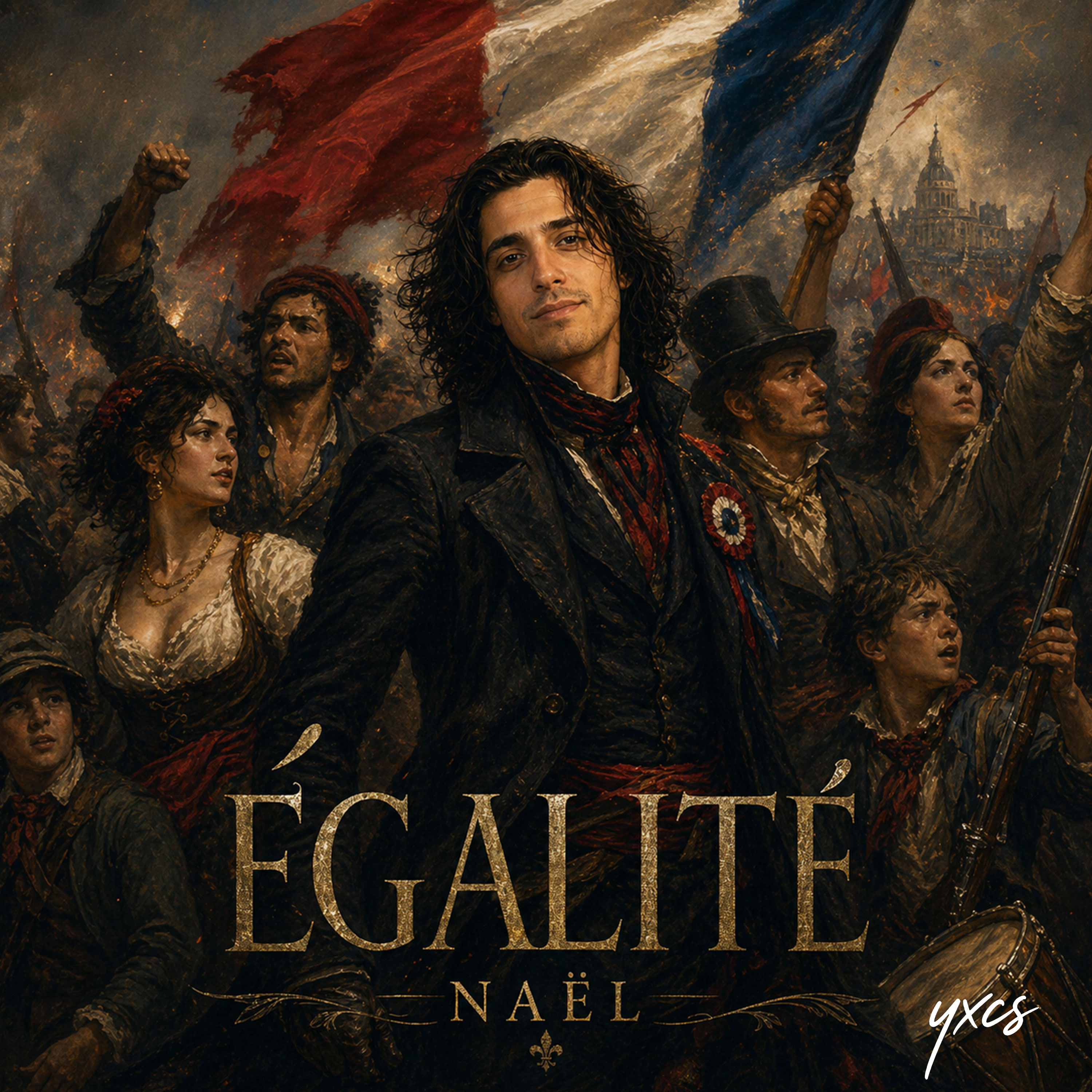
Avant les titres, avant les couronnes, avant le sang, avant le nom — un homme vaut un homme. Égalité est un hymne cinématographique tissé de tambours révolutionnaires, de cordes nobles et d'un piano qui revient comme une mémoire. Sans elle, la liberté devient celle des maîtres, et la fraternité n'est plus qu'une main à la fenêtre. Le morceau rappelle qu'un pays ne commence vraiment que lorsque chacun relève la tête.
Naël
Brothers, or no one at all. The third word — the one that ties the others together, or the country falls with us. The heart of the Republic, or its quiet undoing.
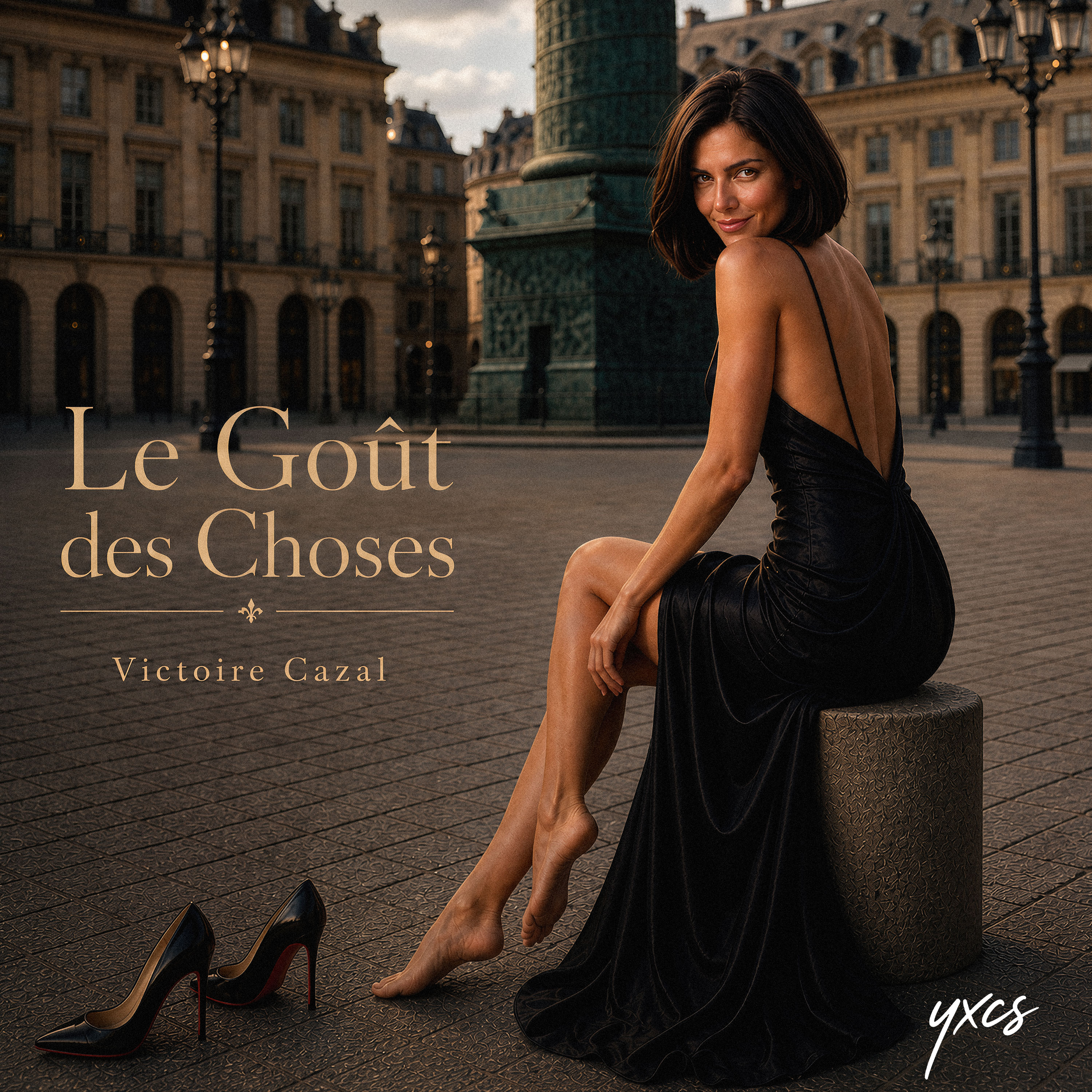
A balcony, a shutter, a courtyard, a glass of wine — and a country that still knows how to make time dance. Le Goût des Choses is a tender, contemplative chanson about France's quiet luxury: the discreet gold of small details, the dignity of the ordinary, the way a worn bistro can still feel like a stage. Beneath the slowness, a manifesto — beauty here is a manner of inhabiting, even the silence around oneself.
Victoire Cazal
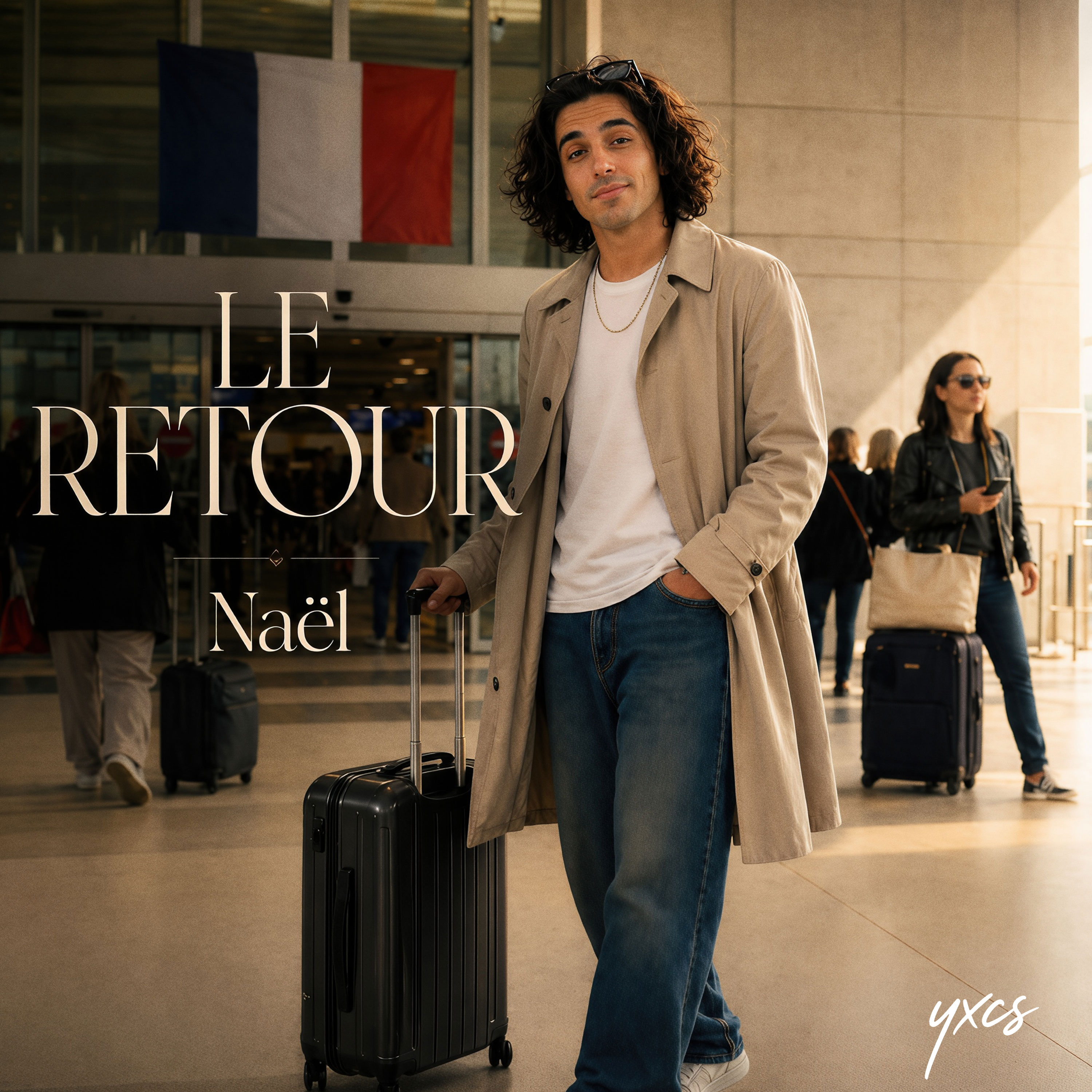
Ten years away, and home doesn't feel like home anymore. Roissy, the cab driver who says "things have changed," cafés handing out QR codes, bakeries selling narrative bread, neighbors who close their doors very gently. Le Retour is a wry, lucid song about coming back to a country that has rebranded itself in your absence — half tenderness, half bitterness, smiling jaws clenched up to the neck — and wondering whether you left, or whether the country left without you.
Naël
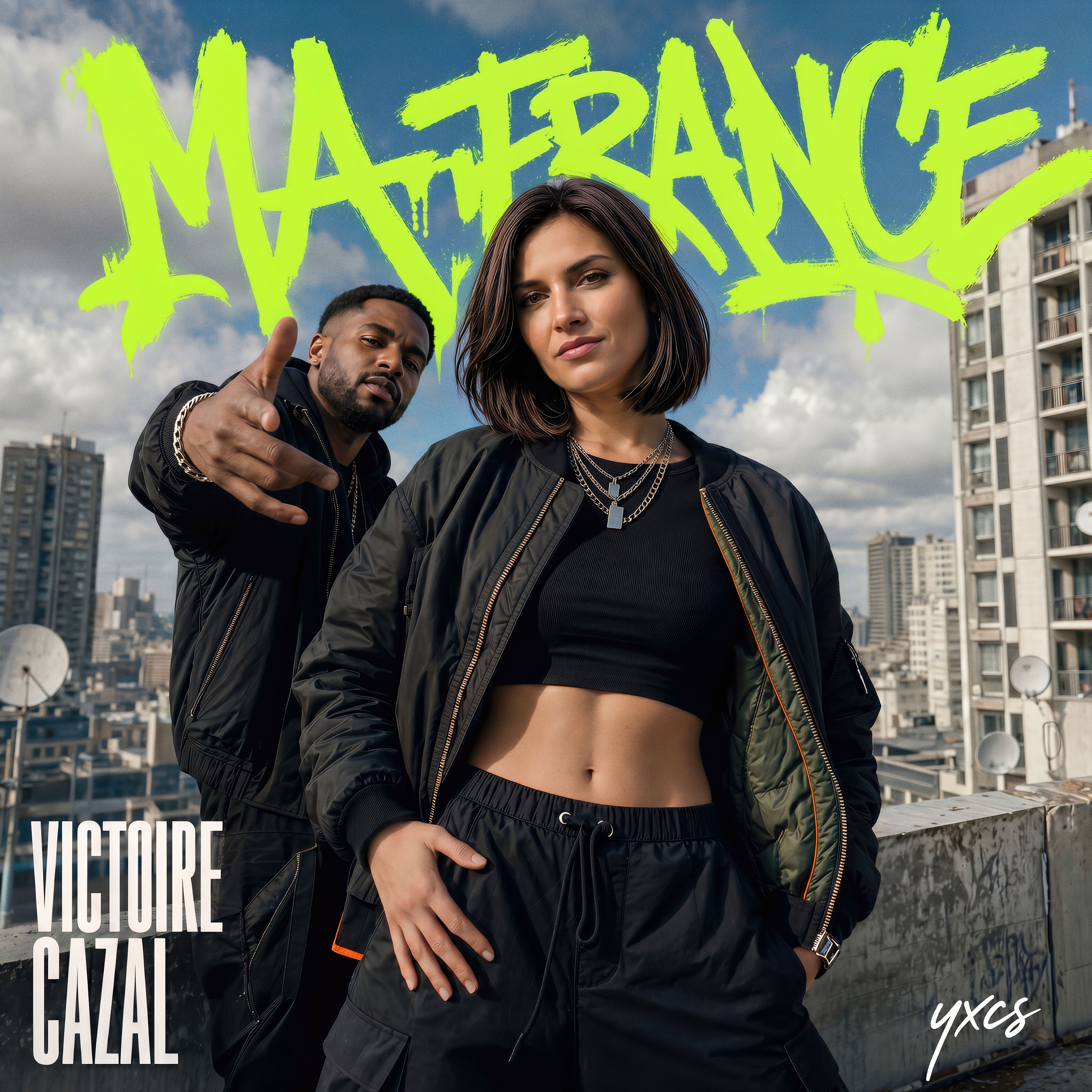
Pas un hymne, pas une promesse — un constat. Ma France is a brutal, dark cinematic exchange between a deep raspy male rap and a raw, wounded female French rap, lifted by haunting choir harmonies. About a country that pays the absence, the fear, the silence — schools holding on with three pieces of courage, hospitals cracking, screens replacing humans, forms where there should be people. "Ça sonne creux, ça sonne lourd, dans ma France à contre-jour."
Victoire Cazal
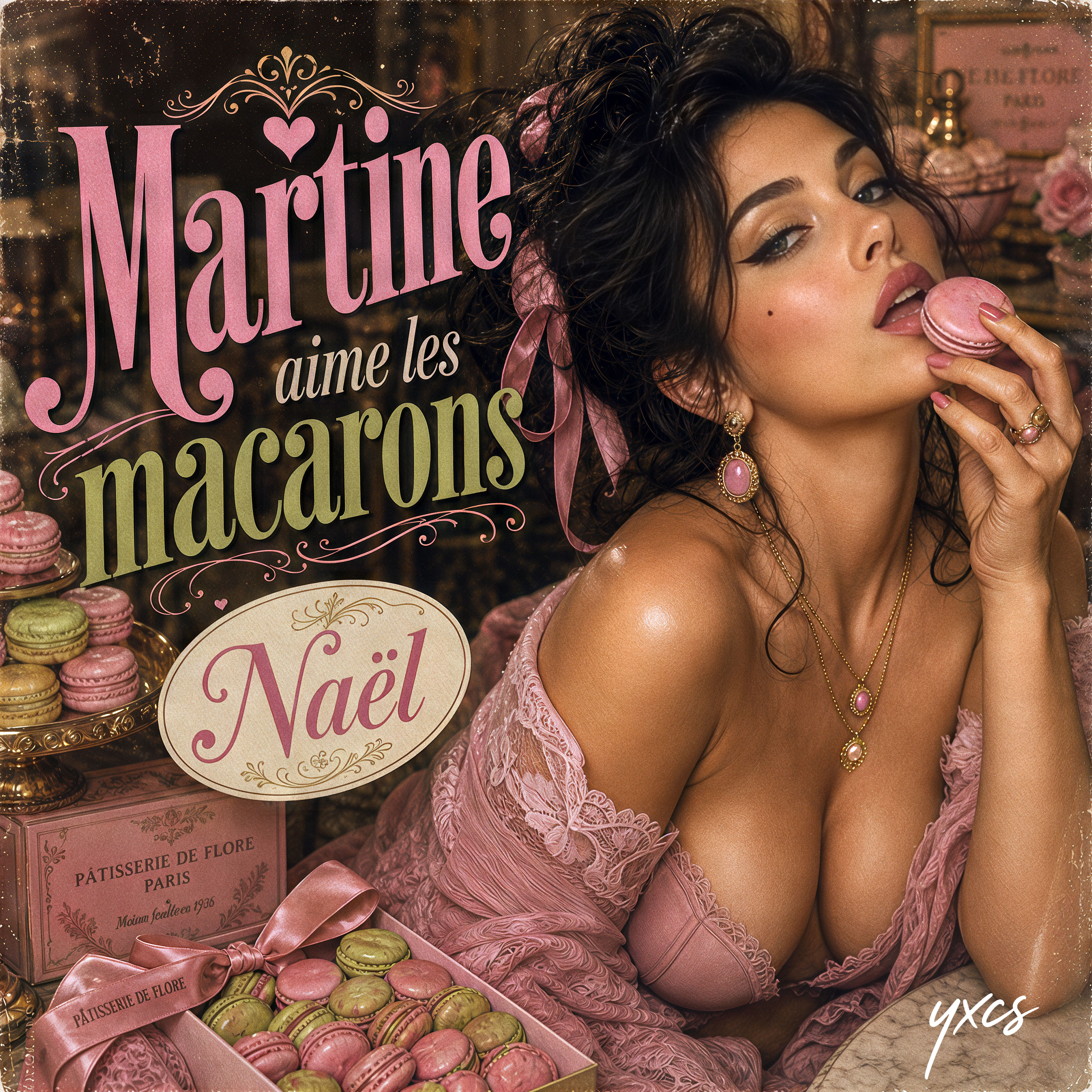
A playful, sensual French chanson — half-spoken, half-sung male baritone in Gainsbourg style, airy female girl-group harmonies, Juno-60 arpeggios, Mellotron flutes and Vannier strings. Martine aime les macarons is a gourmand miniature about a woman who knows exactly what she loves: raspberry, pistachio, the shell that cracks, the cream that slips. A wink to the cinematic French pop of another era — and to her best friend Annie.
Naël
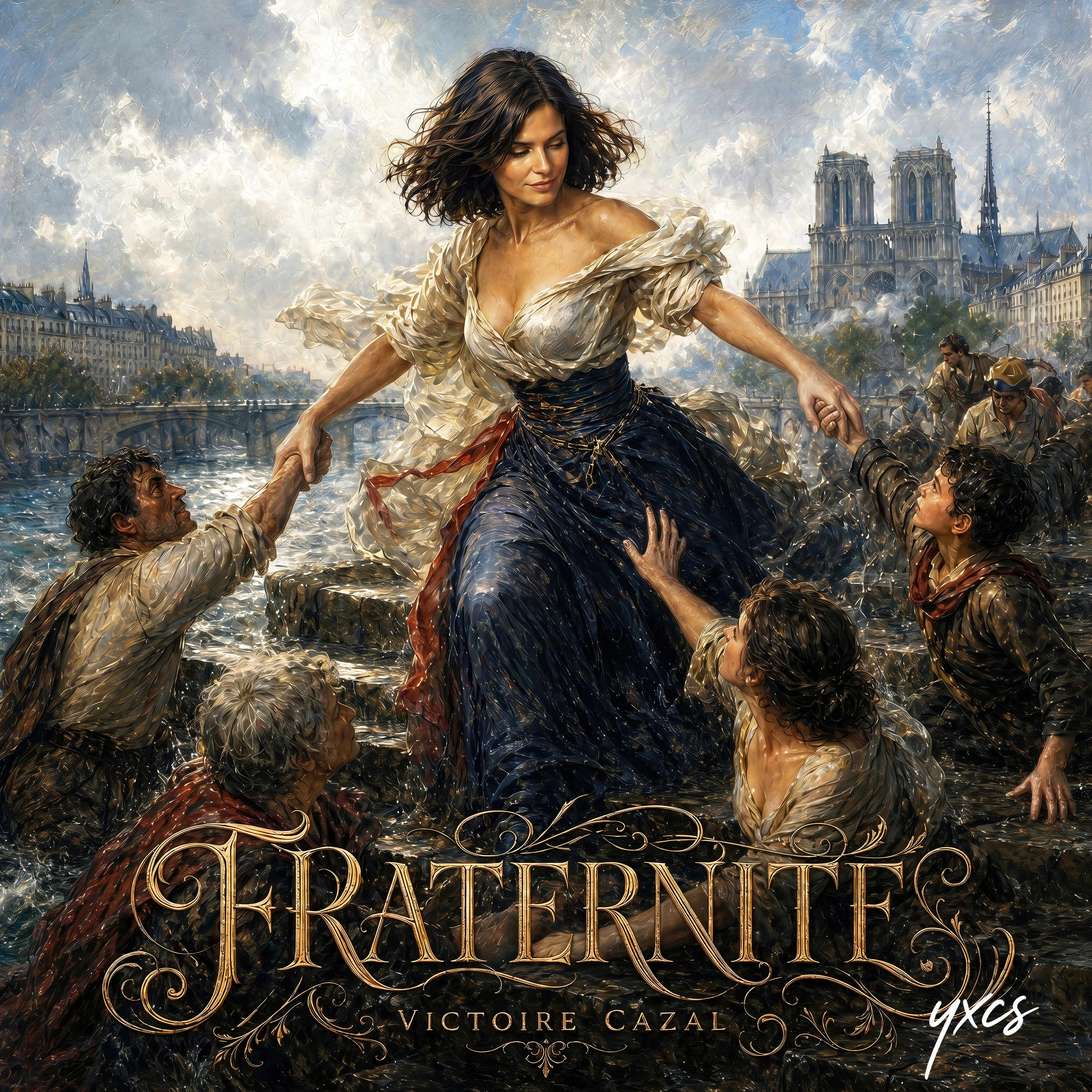
Engraved into stone between two magnificent words, the third one refuses to be a decoration when fear comes wearing the crown. Liberty without it becomes the right of the strongest; equality without courage falls asleep into the scenery. Fraternité is the heart of the Republic — or its fall laid bare. Brothers, or no one at all.
Victoire Cazal